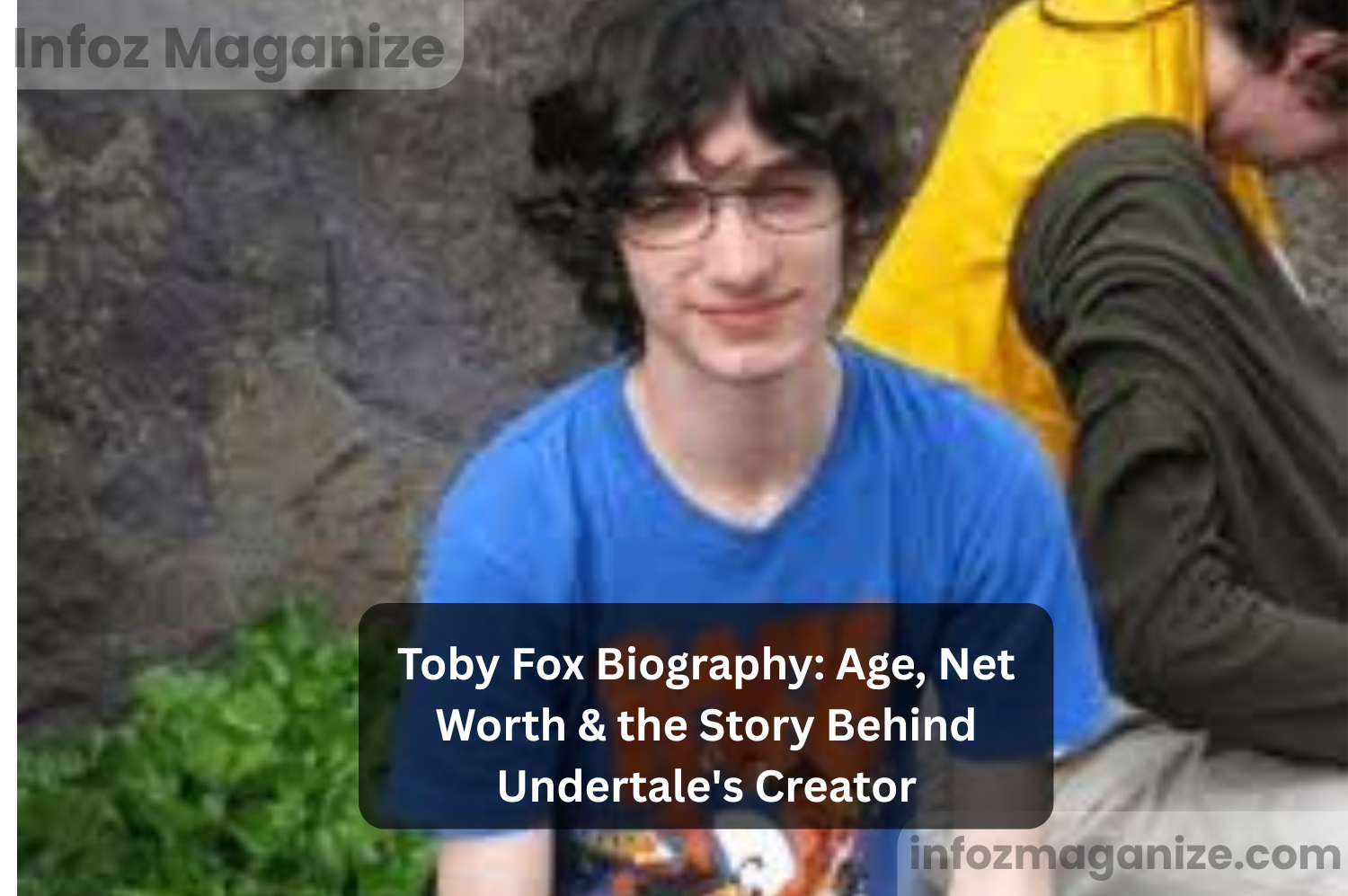

Toby Fox is one of the most recognizable names in indie gaming. As the mind behind Undertale and Deltarune, he built a global fanbase from his bedroom, without a big studio or a marketing budget. His story is often used as proof that a single, dedicated creator can compete with, and sometimes outshine, major game studios.
This article covers Toby Fox’s age, early life, education, career breakthrough, net worth, and the personal philosophy that shaped his work. Whether you’re a longtime fan or just discovering Undertale, here’s everything worth knowing about the man behind the music and the monsters.
Early Life and Background
Toby Fox was born Robert F. Fox and grew up with a strong interest in music and storytelling from a young age. That early curiosity, combined with a love for classic role-playing games, quietly set the direction for everything he would build later in life.
Biography Table
| Detail | Information |
| Full Name | Robert F. “Toby” Fox |
| Date of Birth | October 11, 1991 |
| Age (2026) | 34 years |
| Birthplace | Manchester, New Hampshire, USA |
| Nationality | American |
| Profession | Video game developer, composer |
| Known For | Undertale, Deltarune |
| Education | Northeastern University |
| Estimated Net Worth | $5 million to $15 million |
Childhood in Manchester, New Hampshire
Toby Fox was born on October 11, 1991, in Manchester, New Hampshire. Details about his family life remain limited since Fox has always kept a low profile, but those close to his early years describe a household that encouraged creative hobbies. As a kid, he spent hours playing video games with his siblings, an activity that eventually turned from pastime into career inspiration.
First Steps with Music and Games
Fox picked up piano at a young age and began composing his own short pieces long before he had any formal training. Role-playing games, especially EarthBound, captured his attention early on. He wasn’t just playing these games for fun; he was studying how their stories, characters, and music worked together. This habit of analyzing games from the inside out would later define his own design approach.
Education and Formative Years
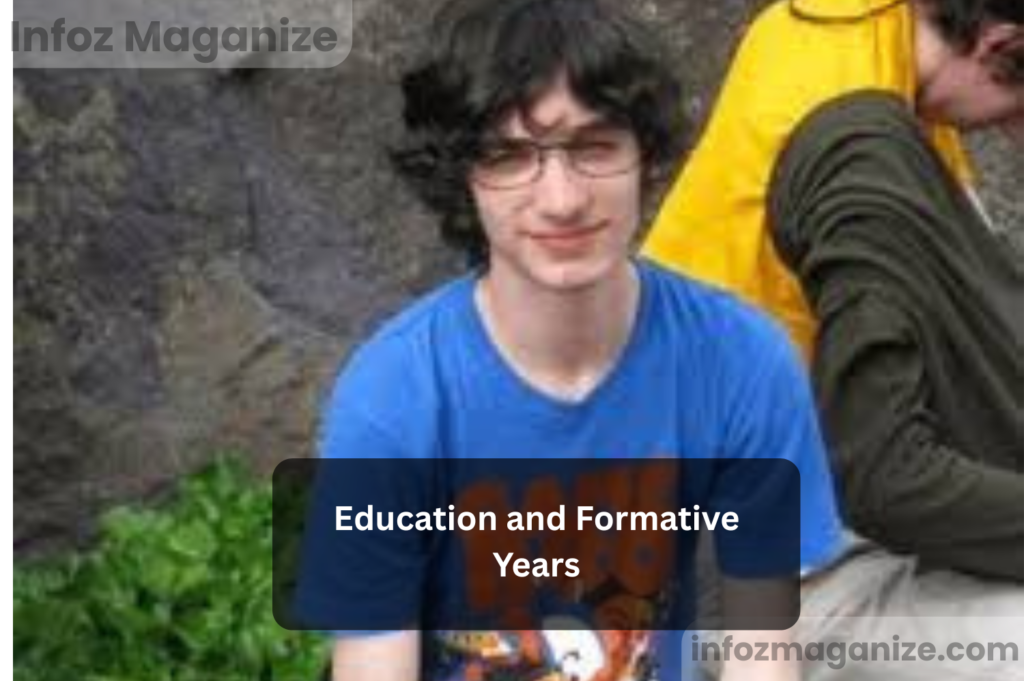
Long before Undertale existed, Fox was already experimenting with game design tools and building a name for himself in niche online communities.
University and Academic Path
Fox attended Northeastern University, where he studied environmental science rather than computer science or game design. This is a detail many fans find surprising, since his later career had nothing to do with his academic major. It shows that his path into game development came from personal passion rather than formal training.
From EarthBound ROM Hacks to Homestuck Music
While still in high school, Fox created an EarthBound Halloween Hack that earned attention within the Starmen.Net community. This early project introduced him to a network of RPG enthusiasts and gave him his first real audience.
Shortly after, in 2009, webcomic creator Andrew Hussie invited musicians to contribute to Homestuck. Fox, who had been sharing piano covers online, answered the call. His contributions to Homestuck’s soundtrack, including an early version of what would become the iconic track “Megalovania,” helped him build both skill and a fanbase years before Undertale was even announced.
Breakthrough with Undertale
Everything Fox had learned from ROM hacking and composing music for Homestuck came together in one ambitious project: Undertale.
Concept and Kickstarter Success
In 2013, Fox launched a Kickstarter campaign for Undertale with a modest goal of $5,000. The response was overwhelming. The campaign raised over $51,000, more than ten times the original target, signaling strong demand for the kind of narrative-driven, choice-based RPG he was proposing.
Fox handled nearly every part of development himself:
- Game design and programming
- Full soundtrack composition
- Story and dialogue writing
- Character concepts (with art support from Temmie Chang)
Critical Acclaim and Cultural Impact
Undertale released in September 2015 and quickly became a cultural phenomenon. It earned a 92 out of 100 on Metacritic, one of the highest scores for any game released that year. Critics praised its ability to let players complete the entire game without killing a single enemy, a mechanic that reshaped how many developers think about player choice.
The game picked up nominations for a British Academy Game Award and multiple Game Awards. Its fandom exploded across fan art communities, music remix channels, and cosplay events, a following that remains active years later.
Deltarune and Continued Success
Instead of resting on Undertale’s success, Fox moved directly into his next project.
Episodic Worldbuilding in a Parallel Universe
Deltarune, released in chapters starting in 2018, takes place in a universe connected to but distinct from Undertale’s world. Fox has said the idea for Deltarune actually predates Undertale, and elements of it fed directly into his first game.
The episodic format allows Fox to:
- Release playable content without waiting for the entire game to be finished
- Gather player feedback between chapters
- Continue refining the story and mechanics over time
Updates and Fox’s Vision for the Future
Chronic wrist pain has occasionally slowed Fox’s output, delaying certain chapters. Despite this, Deltarune has continued to expand, with later chapters receiving strong reviews and record engagement numbers. Fox has indicated that additional chapters are planned, with fans anticipating a release in the coming years.
Net Worth and Financial Success

Toby Fox’s financial success is closely tied to Undertale’s unusually strong sales performance for an indie title.
Estimated Wealth from Games and Music
Estimates of Toby Fox’s net worth vary depending on the source, typically ranging between $5 million and $15 million. This range comes from:
- Undertale sales exceeding 3.5 million copies
- Deltarune’s free-to-paid chapter releases
- Composing credits for Pokemon Sword and Shield, Super Smash Bros. Ultimate, and other titles
- Soundtrack sales and digital bundles
Because Fox is an independent developer without a publisher taking a large cut, a bigger share of revenue goes directly to him compared to developers working under traditional studio contracts.
Merchandise and Licensing Influence
Beyond direct game sales, licensing deals have added meaningfully to his income. Undertale’s music has appeared in games like Super Smash Bros. Ultimate and Taiko no Tatsujin. Official merchandise, including plush toys and figurines based on Undertale characters, continues to sell steadily years after the game’s original release.
| Revenue Source | Contribution |
| Undertale game sales | Primary income source |
| Deltarune chapter sales | Growing secondary source |
| Composing for other games | Steady side income |
| Merchandise and licensing | Long-term passive income |
Personal Life and Creative Philosophy
Despite his fame within gaming circles, Fox has kept his personal life largely out of public view.
Private Persona and Work Methods
Fox rarely gives detailed interviews and avoids sharing much about his personal relationships or daily life. He has spoken about chronic wrist pain affecting his ability to code and compose consistently, which has occasionally delayed project timelines. Even so, he remains hands-on with nearly every aspect of his games, from writing dialogue to fine-tuning sound design.
Language, Localization, and Fan Engagement
Fox pays close attention to how his games are received internationally, particularly in Japan, where Undertale found an especially passionate audience. This connection led to real-world moments like Fox meeting Super Smash Bros. creator Masahiro Sakurai, which eventually contributed to Undertale content being added to Smash Bros. Ultimate. Fox also stays engaged with fan communities online, occasionally interacting directly with supporters through social media and newsletters.
Legacy and Influence
Years after Undertale’s release, its influence on the indie gaming space remains hard to overstate.
Impact on Indie Games and Creators
Undertale demonstrated that a single developer could build a commercially successful, critically acclaimed game without a large team or big budget. It inspired a wave of narrative-focused indie RPGs and pushed other developers to experiment more freely with player choice and non-violent resolution paths.
Lasting Community and Cultural Presence
The Undertale and Deltarune communities remain some of the most active in gaming. Anniversary events continue to draw large turnouts, including charity fundraisers that have brought in hundreds of thousands of dollars from fans. Fan art, remixes, and cosplay tied to Fox’s characters show no signs of slowing down.
FAQ – Commonly Searched Questions
Q. How old is Toby Fox?
A. Toby Fox was born on October 11, 1991, making him 34 years old as of 2026.
Q. What is Toby Fox’s net worth?
A. Estimates place his net worth between $5 million and $15 million, mainly from Undertale and Deltarune sales.
Q. What inspired Undertale?
A. Fox drew inspiration from EarthBound, his own musical background, and interactive communities like Homestuck.
Q. Did Toby Fox make Undertale alone?
A. He handled most of the design, writing, and music himself, with art support from Temmie Chang.
Q. Is Deltarune finished?
A. No, Deltarune is still being released in chapters, with more planned for future release.
Q. What did Toby Fox study in college?
A. He studied environmental science at Northeastern University, not game design or computer science.
Q. What other games has Toby Fox composed for?
A. He has contributed music to Pokemon Sword and Shield, Super Smash Bros. Ultimate, and Hiveswap, among others.
Final Thoughts
Toby Fox’s rise from a hobbyist making EarthBound ROM hacks to one of indie gaming’s most respected names is a reminder that passion projects can turn into something much bigger. His refusal to rush Deltarune, despite pressure from fans and physical setbacks, reflects a commitment to quality over speed. As Undertale’s tenth anniversary celebrations and Deltarune’s ongoing chapters show, Fox’s influence on modern game design and storytelling is far from finished.


 By
By


 ejrmjrlrpp says: